
How Snow Exposure Impacts Decking Near Mountain Zones in Glendale
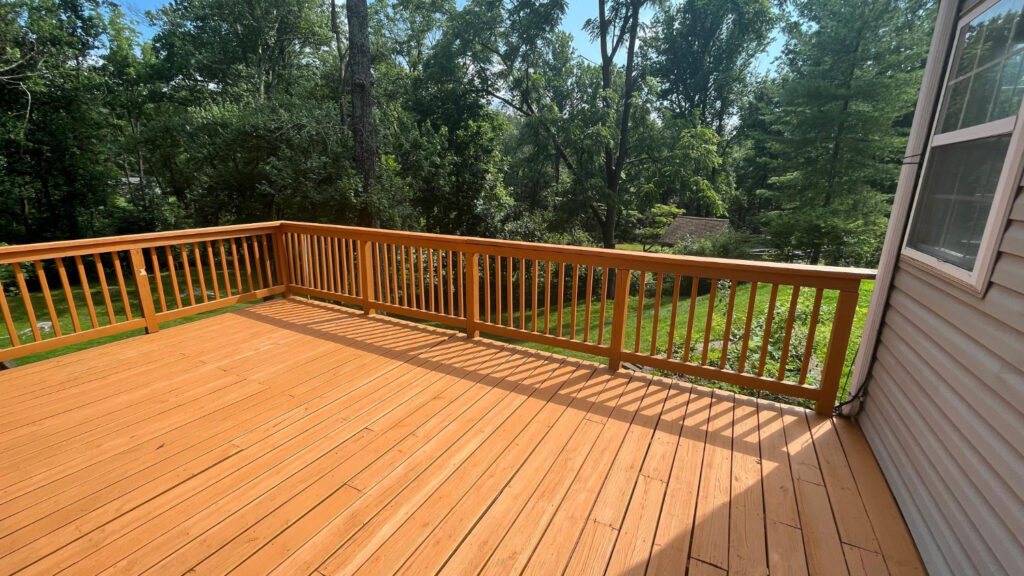
Glendale sits right up against the base of some of Southern California’s mountain zones, which means the winters here bring a little more cold and occasional snow than areas closer to the coast. For homes in Glendale that have backyard decks, this shift in weather can cause some real problems, especially between late February and early April as the freeze-thaw cycle kicks in.
When snow hits these higher elevations, it doesn’t hang around all season, but it stays just long enough to affect wood and composite surfaces. Cracking, warping, and moisture buildup often show up in decks that weren’t built with this in mind. While deck builders in Marina del Rey don’t typically deal with snow directly, their year-round building methods still offer smart ideas for holding up against Southern California’s shifting weather patterns.
How Snow and Ice Affect Wood and Composite Decks
Snow doesn’t have to pile up for it to cause damage. The bigger problem is what happens once that snow begins to melt and seep into small openings, then freezes again later.
Here’s what that cycle can do to a deck:
- Moisture slips into micro-cracks and joints, especially around nail or screw holes
- When temperatures drop overnight, that trapped moisture freezes and expands, pushing apart the surface
- As this happens over a few weeks, those tiny cracks grow into real issues like splitting or permanent warping
Even composite decking, which might resist moisture better than natural wood, isn’t immune if the framing underneath shifts or absorbs water. And if the boards weren’t sealed properly when they were first installed, snow can speed up surface wear and make the deck feel weak by spring. The worst part is that it often looks fine at first, then quickly goes downhill as early thaw sets in. This change happens faster in some winters, especially if it warms up quickly after a cold snap.
Elevated Mountain Exposure: More Than Just Cold
Glendale sits at the meeting point of flatter coastal areas and colder foothills. That gives some neighborhoods higher elevations where the winter air stays colder for longer. When you’re a few hundred feet higher than the rest of Los Angeles, that extra chill adds more stress to exposed surfaces, especially early in the morning and at night.
But it’s not just the cold that impacts decking in these mountain-edge areas. There are a few more things to keep in mind:
- More direct UV exposure at higher angles, which dries out unsealed surfaces faster
- Longer periods of frost settling on exposed boards during early spring mornings
- Melting snow that runs off into deck gaps or drainage pockets, which can collect and soak into the framing from underneath
All of these small shifts add up and can lead to long-term problems if they’re not addressed ahead of time. Even light snowfall, when paired with elevation and storm runoff, can wear out decks in ways that coastal neighborhoods rarely see.
In these spots, moisture can mix with cold winds and the deck surface often sees quick temperature swings, sometimes sun heats boards up fast, only for the air to drop back to freezing just a few hours later. When this happens over and over, the surface and base of your deck get put through more strain than you’d expect for a place without harsh winters.
Building Choices That Hold Up in Winter Weather
Winter weather is lighter here than in the mountains farther north, but that doesn’t mean the construction details should be rushed. Decks near snowy foothill areas need to be designed with the season in mind, especially if the homeowner plans to actually step outside during colder months.
The right building decisions make all the difference:
- Composite materials with high durability ratings can hold shape against temperature shifts
- Pressure-treated wood that handles moisture well is key when snowmelt is part of the mix
- Raised framing and clear airflow under the deck make it easier for surfaces to dry between storms
- Fasteners and flashing need to be water-resistant to avoid rusting or loosening from trapped moisture
It’s helpful to compare these choices to how year-round deck builders in Marina del Rey operate. Their climate doesn’t need snow protection, but high humidity and coastal conditions force them to use tight framing, weather-tough hardware, and smart board spacing. That approach still works great when switching over to mountain-adjacent builds that deal with occasional freezing and sudden runoff.
Other details matter too. Boards should be spaced just enough that water can drain away instead of lingering. For composite decks, ensuring tight joints when installed may help, but it’s even more important to use strong framing for support so the surface doesn’t sag when conditions get rough. Sometimes, a simple change like adding extra post bracing or using special sealants can stretch out the life of a deck in a spot that gets the brunt of winter air.
Preventative Maintenance Before and After Snowfall
A well-built deck can last a long time, but winter upkeep plays a big part in how well it holds up from year to year. One of the biggest mistakes we see is homeowners letting decks sit untouched all season, only to find cracks, shifting boards, or soft spots once spring hits.
Here are a few steps to consider before and after snow touches your deck:
- Clear leaf piles or leftover debris that can trap moisture under snowpack
- Schedule seasonal inspections to spot small cracks or movement in framing
- Reseal boards at least once every couple of years to close surface gaps
- Check drainage around the base to help water move away from wood supports
These aren’t big repairs, but they help prevent larger problems from showing up later. It’s always better to catch early signs before materials soften or loosen. Letting snow sit untouched on damaged surfaces only adds to the trouble.
If your deck is already built with proper airflow and sealed joints, most seasons go by with only quick checks and easy cleaning. But when snow or frost keeps coming back, it’s smart to walk the deck after a storm, looking for new marks or spots where water gathers. If the wood changes color or boards bend after a wet winter, it might need faster attention. Don’t wait until late spring to look for issues if you want your deck to last through the next year.
Small habits, like brushing snow aside (instead of shoveling aggressively, which can damage boards), and lifting planters or furniture during winter months also help keep surfaces healthier through the worst of the weather.
Snow-Ready Decks Mean Fewer Spring Surprises
For Glendale homeowners near foothill elevations, snow may be light, but the impact feels heavier than it looks. Winter in these spots doesn’t bring blizzards, but cold mornings and freeze-thaw cycles make their mark in quiet ways. Cracks spread, boards shift, and drainage changes show up fast if the decking wasn’t built with this season in mind.
The strongest decks in snowy areas aren’t just well-built, they’re built smart. Using materials that bounce back from cold, framing that dries fast, and seasonal check-ins all make a real difference. We’ve seen that thoughtful design mixed with regular care gives a deck more years and fewer surprises.
With just a few good decisions, your outdoor space doesn’t have to shut down once temperatures drop. Instead, it can keep steady through winter and be ready for use again once early spring rolls in.
Weather near Glendale can be unpredictable, and decks need to stand up to seasonal shifts. It’s smart to start with the right layout, framing, and finish. We take notes from trusted approaches used by deck builders in Marina del Rey when choosing materials that remain strong in wet or chilly conditions. Coastal and higher elevation builds have more in common than you might think when rain, sun, and cold come together. We at ION Builders are here to help you build it the right way. Call us to see what’s next for your backyard setup.


